



Lorem ipsum dolor sit amet, consectetur adipiscing elit. Suspendisse varius enim in eros elementum tristique. Duis cursus, mi quis viverra ornare, eros dolor interdum nulla, ut commodo diam libero vitae erat. Aenean faucibus nibh et justo cursus id rutrum lorem imperdiet. Nunc ut sem vitae risus tristique posuere.
Nathan Scarlett feeds around 800 children, plus staff across two London primary school sites. After labour and running costs, he has roughly £1 per child per day for food. He shared how he makes this work, and what he won't let slip.
When we first spoke, Nathan joined the call from the kitchen at Henry Cavendish School in Balham, mid-service. Barbecue brisket bao buns were on the menu, the same dish he cooked on BBC Saturday Kitchen and a favourite at the school. He talked and worked from the benchtop, the only way a conversation with him happens during the school day.
"We aim to please here," he says.
Last year, teachers, parents and pupils nominated him for Jamie Oliver's Good School Food Awards, and he was named The Sun's School Chef Champion 2025. He found out at a school assembly where he'd been asked to do a cooking demonstration. "The children had all their banners and were screaming," he remembers. "It was a whirlwind."
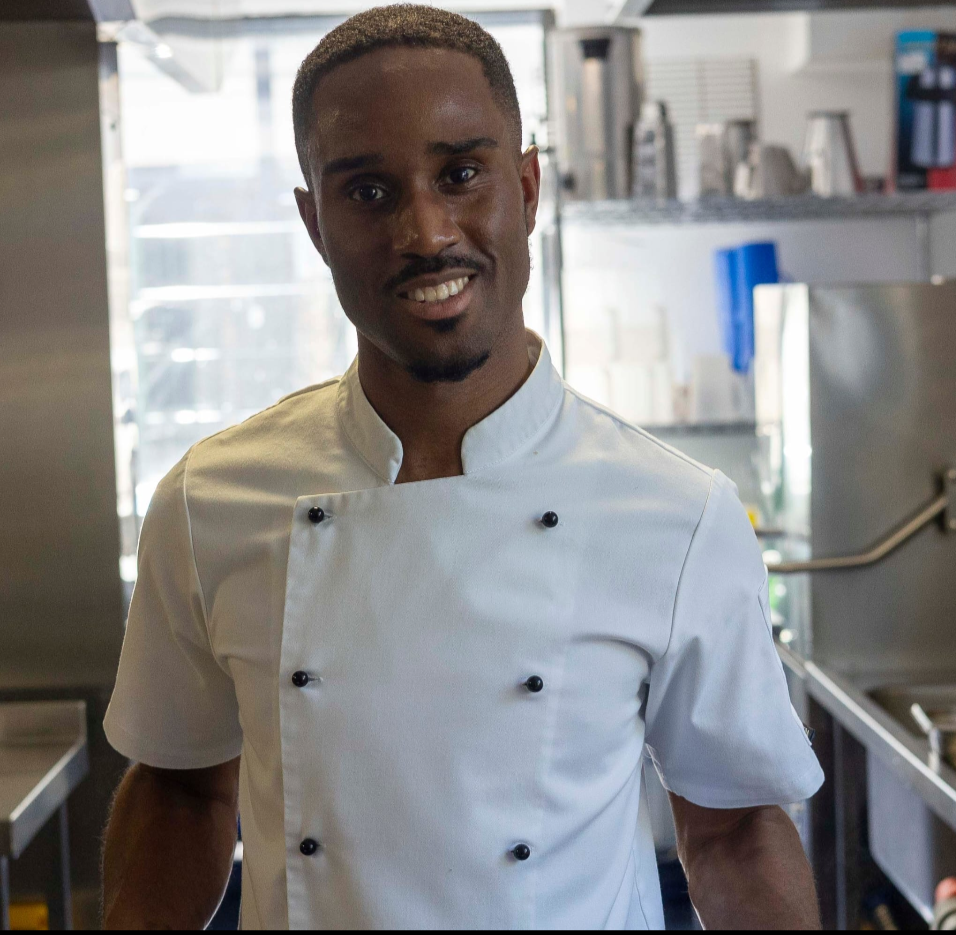
What the award doesn't show is the budgeting guardrails behind it.
Schools in England receive £2.66 per meal for the 2026/27 academic year. That figure covers the whole operation: the team, the running costs and the food.
"People think the government gives us £2.70, or £3 for the older kids, but that's the overall operational cost," Nathan explains. "There's a breakdown within that price."
What's left for food is about £1 per child per day, and that £1 covers lunch and pudding.
When the money doesn't stretch, Nathan's time and attention have to.
Suppliers, every day. Wholesale prices move daily, so Nathan negotiates daily. If a delivery arrives priced beyond what he can afford, it goes back. "I'm constantly trying to negotiate with suppliers because I want the best for these children," he says. "Either they say, OK, I'll give it to you for this price, or I have to go elsewhere." He uses a price-comparison app to check what an ingredient costs across suppliers before he buys.
The freedom to choose. Henry Cavendish runs its own kitchens. When the school brought catering in-house, it partnered with the charity Chefs in Schools for advice on suppliers, menus and training, but the decisions are Nathan's. "I have full autonomy," he says. That autonomy is what lets him shop around and change suppliers when prices move.
Children on the menu. The menus are child-led. Each class has a School Meal Ambassador who brings ideas from their classmates to the kitchen, and Nathan turns them into dishes that meet the School Food Standards. Asked what he loves most about the job, he doesn't hesitate: "Seeing them enjoying food and being able to be creative and allowing their voices to be heard."
Teaching, not just feeding. His working day doesn't end at lunch. After service he runs after-school cooking clubs, teaching the children skills like making fresh pasta. He also runs assemblies, workshops and tasting sessions so pupils understand where their food comes from.
"Without good school meals, children can't concentrate, they can't learn," he said last year. "Investing in good school food is investing in children's health, wellbeing, and ability to thrive."
Feeding 800 kids with a wide range of dietary needs leaves no room for error on safety. Temperatures, cleaning records and allergen controls have to be right every day, at both Balham and Streatham.
Allergens are where safety gets personal. Nathan talks to parents directly about what each child can eat. For the children who need a gluten-free diet, some of them coeliac, he cooks first, in bulk, with a separate prep area and utensils, then freezes it in a freezer used for nothing else. “They trust us,” he says. “I don’t take that lightly.”
The hard part is cost. Gluten-free has no bulk pricing, and the suppliers who make good products often want a £40 minimum order. “If I spend £40 for these kids, they’ll be eating for two years,” he says. Order to the minimum, and half of it expires before he can use it.
This term, the pressure has grown. Since September 2026, every child in a household on Universal Credit in England has been entitled to free school meals, which the government expects to cover over half a million more children. The School Food Standards are also under their first review in over a decade.
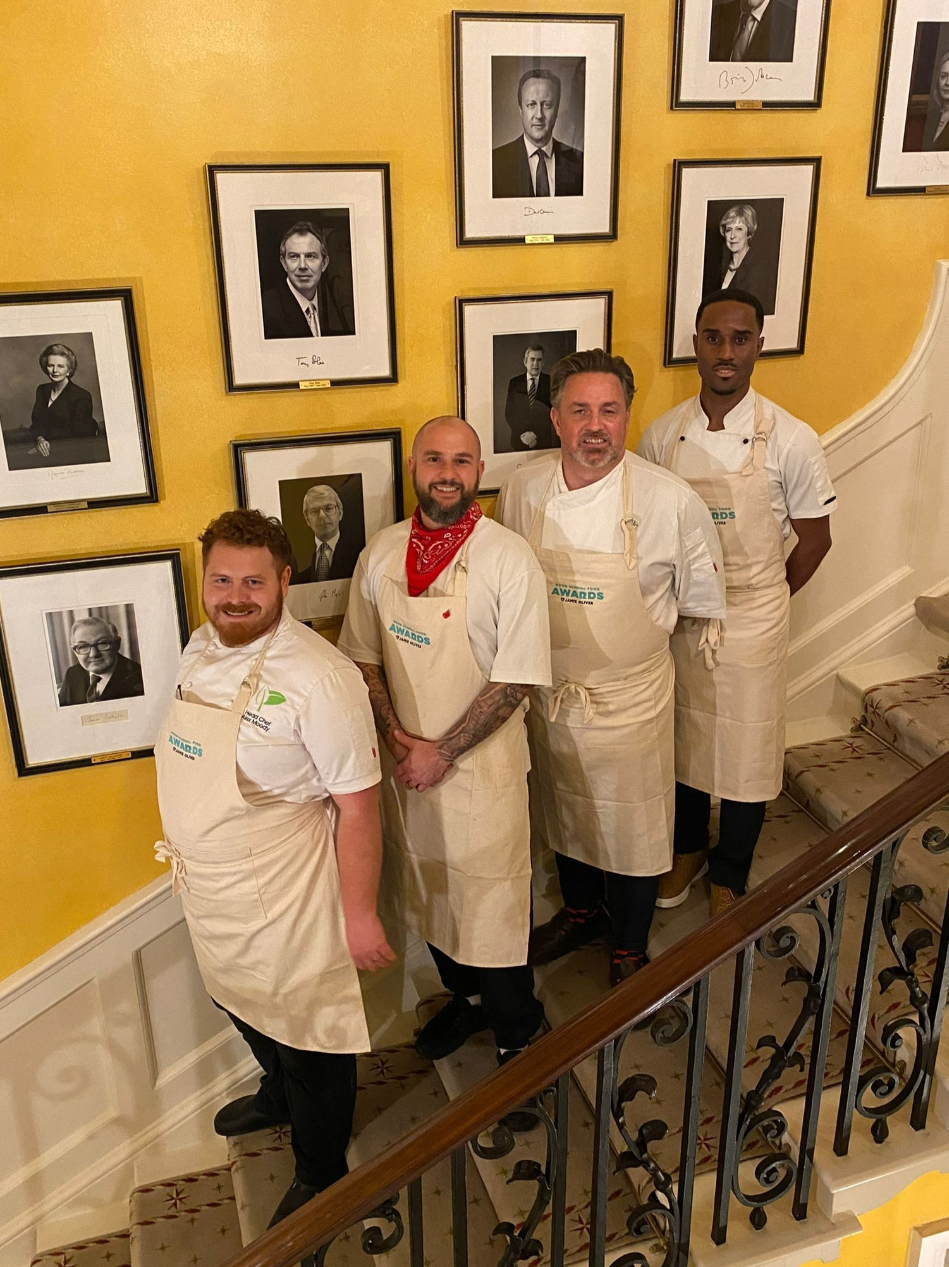
Nathan has seen what the standards can look like when a kitchen meets and exceeds them. In November 2025 he was one of four award-winning school chefs who cooked for the Prime Minister at Downing Street. "We're not just talking theory," he said at the time. "The PM tasted exactly what children are eating in our schools. This is what the new standards can look like in practice, and it's vital they see it, taste it and understand it firsthand."
The food he served that night was, in his words, "still within government guidelines and budgets, the only difference being the care and creativity we put in."
When asked his advice on what works to other chefs on a fixed budget, as with much of what makes the hospitality industry special it came down to relationships. His answer starts with suppliers, and with telling them what you’re trying to do. “I always sell the story,” he says. “I’m trying to do better for these children.”
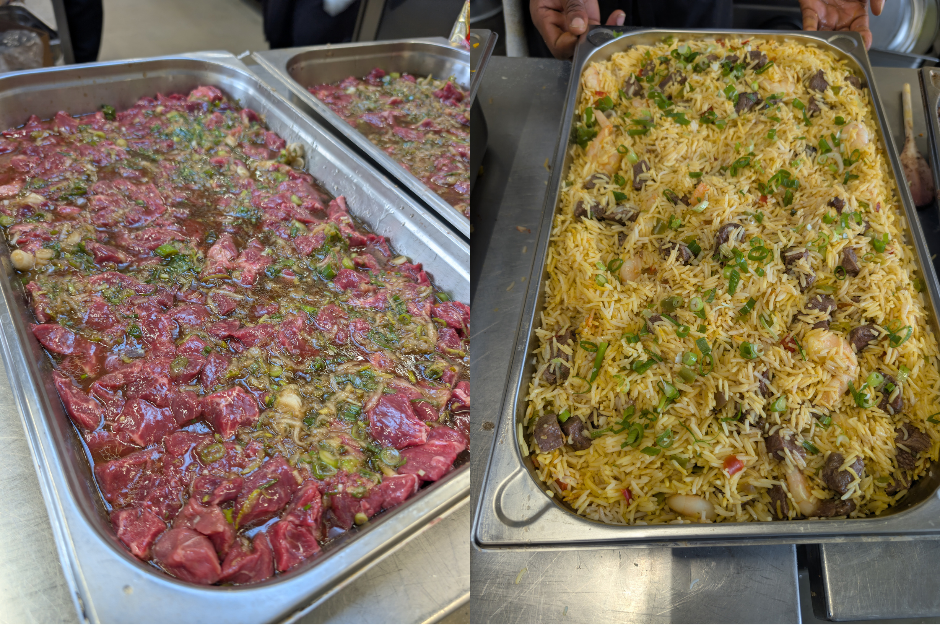
When he wanted beef for a recipe, he asked his supplier for their cheapest good-quality cut. The supplier called him back. He supplies flat iron steak to restaurants that want one specific cut, which leaves good trim that would otherwise go to waste. Nathan now buys it at £7 a kilo; flat iron retails at £17 to £22. It became a beef bulgogi and prawn rice pot. Primary school children are eating steak at lunch because a supplier understood what Nathan was trying to do.
None of this is in his job description. “There are a lot of things that aren’t written down in my contract that I do just because I care,” he says. “You can’t legislate for that. You just hope that someone cares.”
At Telsen, we build food safety tools for kitchen teams, and we think the people doing this work deserve to have their stories told properly.
If you run an in-house kitchen on a fixed budget and have a story like Nathan's, we'd like to hear it.